Skip to content
When your energy, mood, sleep or body starts to feel different, you may not know exactly what’s wrong – you just know you don’t quite feel like you.

Quick Overview: Energy, Mood, Sleep and Hormone Changes
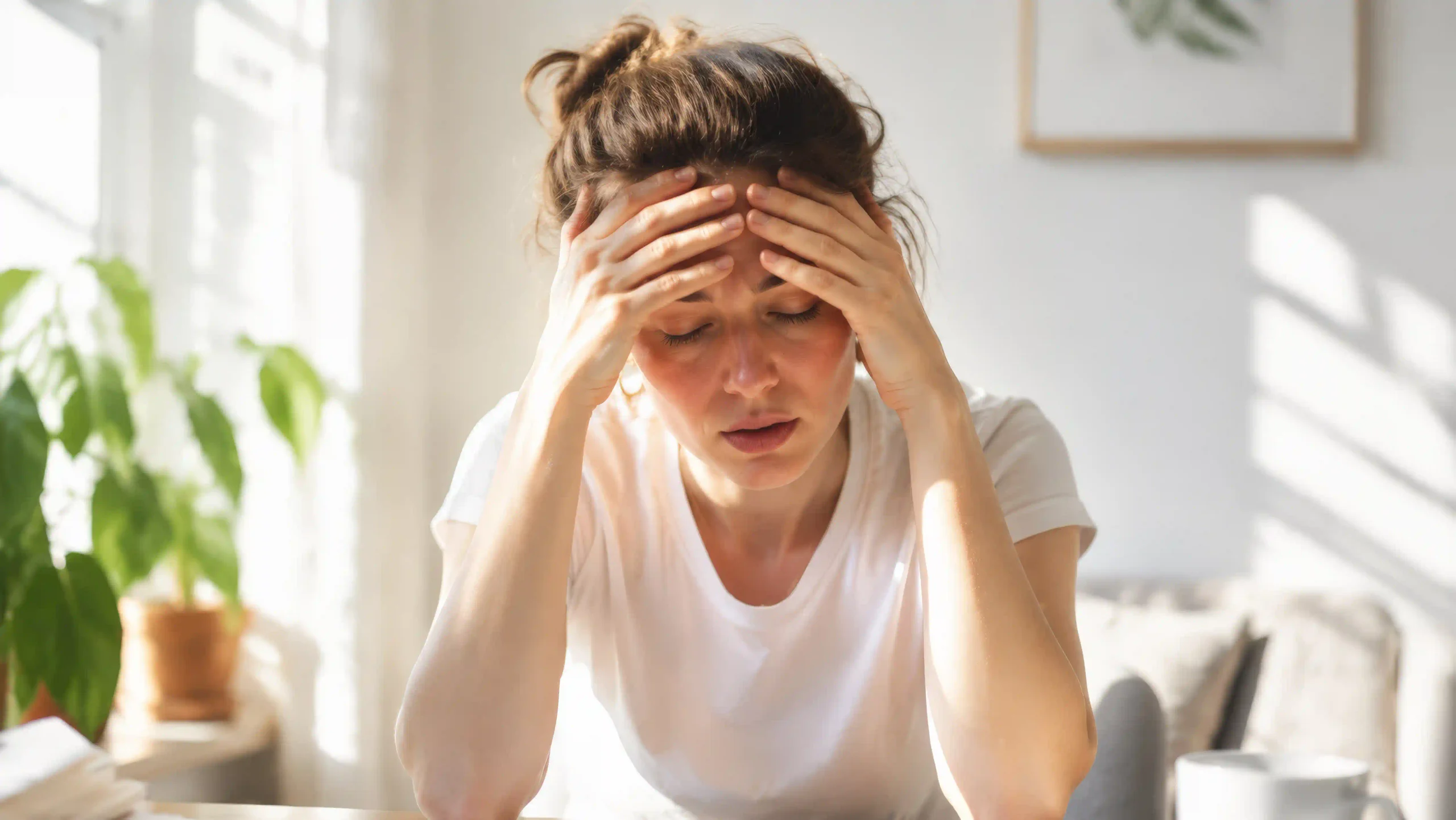
“I just don’t feel like myself.” It may not sound like a medical symptom, but it can describe something very real: a collection of subtle changes that are difficult to put in words. Maybe you’re more tired than usual. Your patience feels shorter. You aren’t sleeping well. Your concentration is off. Your body feels different. Or things that once felt manageable suddenly seem harder.
There are many possible reasons for these changes, and hormones are only one piece of a much larger picture. You don’t have to determine the cause yourself before bringing it up with your healthcare provider. Sometimes the most helpful place to start is simply describing what has changed.
What You’ll Walk Away With:
- What “not feeling like myself” can actually mean
- Changes in energy, mood, sleep and focus worth paying attention to
- Why stress, lifestyle, medications and health changes may all play a role
- Where hormones, perimenopause and menopause may fit into the picture
- How to start the conversation when you don’t know exactly what to ask
“I Just Don’t Feel Like Myself”
Maybe you’ve said it to your partner. Maybe you’ve mentioned it to a friend. Or maybe it’s something you’ve only thought to yourself: “I don’t know what’s going on. I just don’t feel like me”.
That can be a frustrating place to be because there may not be one obvious symptom you can point to. Instead, it can feel like a collection of little things. You’re more tired. You don’t have the patience you used to. You’re forgetting things. Your sleep has changed. Your motivation isn’t quite there. Your clothes fit differently. You feel overwhelmed more easily. You aren’t as interested in things you used to enjoy.
Or perhaps nothing dramatic has happened at all – you simply recognized that something about the way you feel has changed. One of the most important things to know is this: You don’t need to know what’s causing the change before you talk about it.
“I don’t feel like myself.” can be the beginning of the conversation, not the conclusion.
What Does “Not Feeling Like Myself” Actually Mean?
It means different things to different people. For one person, it might mean: “I’m exhausted all the time.” For another: “I’m much more irritable than I used to be.”
Or:
- “I can’t concentrate like I used to.”
- “I’m not sleeping well.”
- “My body feels different.”
- “My sex drive has changed.”
- “I’m more anxious or overwhelmed.”
- “I’m gaining weight and don’t understand why.”
This is why your story matters. Instead of trying to fit everything into one diagnosis or symptom check list, it can be helpful to step back and look at what has changed, when it began and whether several changes seem to be happening together.
Start With What Has Changed
When you’re trying to understand why you don’t feel like yourself, you may be tempted to immediately search for an explanation.
- Is it hormones?
- Is it stress?
- Is something wrong with my thyroid?
- Am I just getting older?
- Do I need vitamins?
Instead, let’s start with something simpler.
What Is Different From Your Normal?
Think about the past several weeks or months. Have you noticed changes in:
- Energy
- Sleep
- Mood
- Stress tolerance
- Concentration or memory
- Appetite
- Weight or body composition
- Menstrual cycle
- Libido or sexual comfort
- Physical activity
- Digestion
- Motivation
- Pain or physical discomfort
You don’t need to experience all – or even several – of these. The goal isn’t to create your own diagnosis. It’s to begin noticing patterns.
Could Stress Be Why I Don’t Feel Like Myself?
It could be part of the picture. Stress doesn’t only affect how busy your calendar feels. Ongoing stress can affect sleep, energy, concentration, mood and the way you cope with everyday demands.
And sometimes the amount of stress in your life hasn’t necessarily changed – but your ability to manage it feels different. You may find yourself thinking:
“I used to be able to handle all of this. Why does everything feel harder now?”
That change itself can be useful information. But it’s also important not to automatically assume every new symptom is “just stress.” If changes are persistent, unusual for you or affecting your everyday life, they may be worth discussing with your healthcare provider.
Could Poor Sleep Be Affecting How I Feel?
Absolutely! Sleep affects much more than whether you feel sleepy the next morning. Poor or interrupted sleep can influence energy, concentration, memory, mood and overall well-being. And sometimes people don’t realize how disrupted their sleep has become.
Maybe you fall asleep easily but wake through the night. Maybe you wake much earlier than you used to. Maybe night sweats interrupt your sleep. Maybe you sleep for eight hours but still wake feeling exhausted.
If your sleep has changed around the same time you stopped feeling yourself, make that part of the conversation with your healthcare provider.
Could My Hormones Be Changing?
For some people, yes. Hormonal changes can affect multiple systems throughout the body, and women approaching midlife may begin experiencing changes associated with perimenopause before they reach menopause.
Perimenopause can involve more than the symptom people traditionally associate with menopause. Changes in menstrual cycle, hot flashes and night sweats may occur, but women may also experience changes involving sleep, mood, concentration and sexual health.
Research involving women in the menopausal transition has even examined the phrase “not feeling like myself.” Women who reported this feeling also commonly reported experiences involving fatigue, feeling overwhelmed, anxiety, irritability, brain fog and sexual symptoms. But this is where an important distinction matters: Not feeling like yourself does not automatically mean you have a hormone imbalance or that you’re in perimenopause. Many symptoms overlap with other health conditions and life circumstances. Hormones may be part of your story. They shouldn’t automatically become the whole story.
What Else Could Make Me Feel Different?
There are many possibilities. Changes in energy, mood, sleep, concentration or weight may also be influenced by things such as:
- Thyroid conditions
- Anemia or certain nutritional deficiencies
- Medication side effects
- Sleep disorders
- Changes in nutrition or activity
- Ongoing stress
- Anxiety or depression
- Acute or chronic medical conditions
- Alcohol or substance use
- Major changes in your personal or professional life
This isn’t meant to create a long list of things to worry about. It illustrates why trying to diagnose yourself from one symptom – or even a handful of symptoms – can be difficult. Sometimes several factors are happening at once. That’s where having a healthcare provider look at the bigger picture can be helpful.
What Should I Tell My Healthcare Provider?
You don’t need a perfectly organized presentation. Start with exactly what you know: “I haven’t felt like myself lately.” Then add whatever details you can.
You might explain:
- What else feels different
- Approximately when you first noticed it
- Whether the change is constant or comes and goes
- Whether your menstrual cycle has changed
- How you’ve been sleeping
- Whether your weight or appetite has changed
- Any new medications or supplements
- Changes in stress, work or family life
- Whether your symptoms interfere with work, relationships or normal activities
Keeping a short note on your phone for a few weeks can make this easier. You may be noticing patterns you hadn’t recognized before.
Do I Need Hormone Testing?
Not necessarily. It’s understandable to want a test that provides a clear answer – especially when you don’t feel like yourself. But the appropriate evaluation depends on what you’re experiencing.
A healthcare provider may consider your age, symptoms, menstrual history, medications, personal and family health history, physical examination and other factors before determining whether laboratory testing is appropriate.
Depending on the situation, that evaluation may involve testing – or it may make sense to investigate something else first. More testing isn’t automatically better care. The goal is appropriate testing based on your individual health picture.
When Should I Make an Appointment?
Consider talking with a healthcare provider when changes:
- Persist for several weeks
- Continue getting worse
- Are unusual for you
- Affect your work or relationships
- Interfere with sleep or everyday activities
- Cause you concern
- Simply make you feel like something isn’t right
You don’t have to wait for symptoms to become severe before bringing them up. And you don’t have to know whether you need primary care, hormone treatment, lifestyle changes, testing or something else. That determination can come later. The conversation comes first.
You May Also Be Wondering …
When something about the way you feel has changed, one question often leads to another. Here are a few things people commonly wonder about when they find themselves saying, “I just don’t feel like myself.”
Why don’t I feel like myself anymore?
There isn’t one explanation. Changes in sleep, stress, mood, medications, nutrition, hormonal transitions and physical or mental health can all influence how you feel. Paying attention to what has changed – and when – can give you and your healthcare provider a helpful place to start.
Can perimenopause make you feel like a different person?
Some women report feeling unlike themselves during the menopausal transition. Changes in mood, sleep, energy, concentration, stress tolerance and sexual health can occur during this stage of life. Similar symptoms can have other causes, however, so they shouldn’t automatically be attributed to perimenopause.
What are some early signs of perimenopause?
Changes in menstrual cycle length or regularity are common during the menopausal transition. Some women may also notice hot flashes, night sweats, sleep changes, mood changes, vaginal or sexual changes and other concerns. The experience can vary considerably from one person to another.
Why am I suddenly more tired, irritable and forgetful?
Fatigue, irritability and changes in concentration or memory can have many possible contributors, including disrupted sleep, ongoing stress, medications, mental health concerns, hormonal changes and certain medication conditions. If the changes persist or feel unusual for you, consider bringing them up with your healthcare provider.
How do I know if my symptoms are hormonal?
Symptoms alone often can’t provide the answer. Many symptoms associated with hormonal changes overlap with other health conditions and lifestyle factors. Your healthcare provider can consider your symptoms alongside your age, menstrual history, medications, health history and other relevant information to determine whether further evaluation may be appropriate.
Frequently Asked Questions About Energy, Mood, Sleep and Hormonal Changes
Is “I don’t feel like myself” a reason to see my healthcare ?
It can be. You don’t need a specific diagnosis or dramatic symptom to start a conversation. If you’ve noticed persistent changes in how you feel physically or emotionally, discussing them with your healthcare provider can help determine whether further evaluation is appropriate.
Should I track my symptoms before an appointment?
It can be helpful. Consider noting changes in sleep, energy, mood, menstrual cycles, concentration, weight or other symptoms, along with when they occur. You don’t need months of detailed data – a simple record may help you and your provider recognize patterns.
Does feeling different in my 40s automatically mean perimenopause?
No. Perimenopause is one possibility, but many physical, emotional and lifestyle factors can produce similar experiences. Your age alone – or a collection of symptoms from an online checklist – cannot determine the cause.
Do I need bloodwork if I don’t feel like myself?
Not everyone does. Whether laboratory testing is appropriate depends on your symptoms, health history, medications, examination and other individual factors. Your healthcare provider can help determine which, if any, tests may be useful.
What if I can’t explain what feels wrong?
You don’t have to. Start with the words you have. Saying “I don’t feel like myself lately” and explaining what has changed is enough to begin a conversation. Your provider can ask questions that help build a clearer picture.
You Don’t Need All the Answers to Start the Conversation
When you don’t feel like yourself, it’s natural to want an explanation. But your first step doesn’t have to be identifying the diagnosis, choosing a treatment or figuring out which tests you need. Start with what you know: something has changed. Paying attention to your energy, sleep, mood, body and everyday well-being – and giving yourself permission to talk about those changes – can help your healthcare provider better understand the whole picture.
Make Room for the Conversation You’ve Been Meaning to Have
If you’ve caught yourself saying, “I just don’t feel like me lately,” consider making time to talk about it. At Serenity Wellness and Family Practice in DeLand, FL, we provide primary care and wellness services with a personalized, whole-person approach. We’ll start by listening to what you’ve been experiencing and help determine appropriate next steps based on your individual needs.
Interested in learning more?
Reach out to schedule a consultation and discover how personalized Primary Care + Wellness services can help you feel your best. Call today – (386) 873-4560.
DISCLAIMER:
The information provided in this article is for education purposes only and is not intended to diagnose, treat, cure or prevent any medical condition. This content should not be used as a substitute for professional medical advice, diagnosis or treatment. Always consult with a qualified healthcare provider regarding any medical concerns or before starting any treatment programs. Please consult with a qualified healthcare professional to determine whether glutathione supplementation is appropriate for your individual needs.